Top 10 Proven Tactics to Improve Ecommerce Conversion Rates
Boost your ecommerce conversion rate with practical tips such as live chat support, social proof, loyalty programs, and simplified product pages.

Tina

In 2026, the "scroll" has officially replaced the "search."
For over a decade, e-commerce was built on a library of high-res static images and bullet-point descriptions. But as we move through 2026, the data is undeniable: Static storefronts are becoming ghost towns. With the average consumer now spending over 100 minutes per day watching digital video, the gap between where people spend their time and where they spend their money has finally closed.
If your storefront still relies on 2D imagery to do the heavy lifting, you aren't just "behind the trend"—you are actively losing revenue.
Evolution of Online Shopping Behavior
Online shopping has evolved from simple catalogs to dynamic, content-rich environments. Earlier, users relied on product descriptions and images. Today, they expect to see products in action.
From Search-Based to Scroll-Based Commerce
Instead of typing queries, users now discover products while scrolling. This shift has turned entertainment platforms into powerful shopping channels, blurring the line between content and commerce.
Why Static Images No Longer Drive Conversions
Static images once played a key role in e-commerce, but their effectiveness is rapidly declining.
Limitations of Traditional Product Pages
Images can show what a product looks like—but they fail to demonstrate how it works, feels, or fits into real life. This lack of context creates hesitation among buyers.
Consumer Expectations in 2026
Modern shoppers expect:
- Real-life demonstrations
- Quick explanations
- Authentic experiences
- Instant clarity
Static images simply can’t meet these expectations.
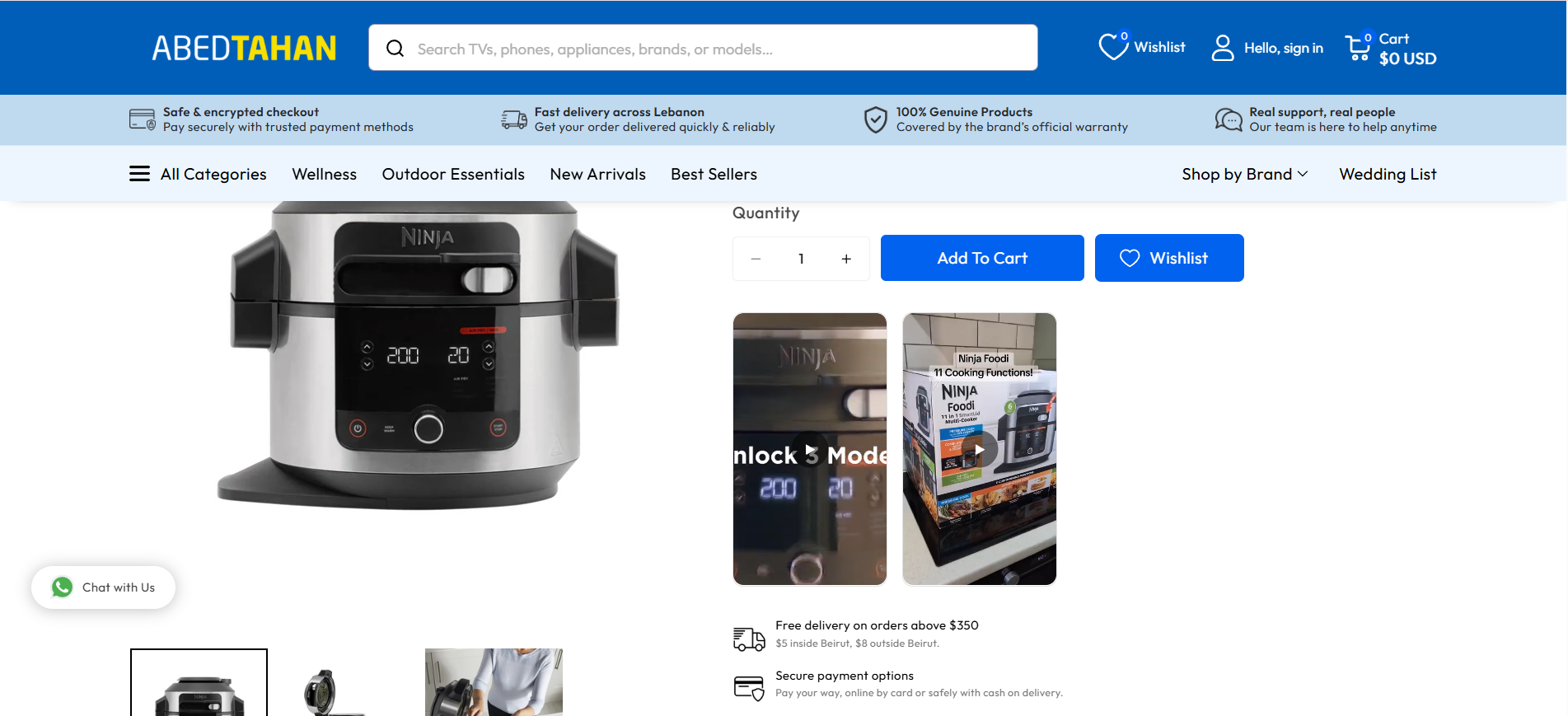
The Rise of Video-First Commerce
Video-first commerce is reshaping how brands present their products and how customers make decisions.
Short-Form Video as a Sales Engine
Short videos deliver information quickly and effectively. In just a few seconds, they can:
- Showcase product usage
- Highlight benefits
- Answer common questions
Shoppable Video Experiences
Shoppable videos allow users to purchase directly from the content they are watching, reducing friction in the buying journey.
Interactive Product Discovery
This format turns passive viewers into active shoppers, creating a seamless path from discovery to purchase.
The Psychology Behind Video Conversions
Understanding why video works is key to leveraging its full potential.
Trust Building Through Visual Storytelling
Videos provide transparency. When customers see a product in use, they feel more confident about their purchase.
Emotional Engagement and Purchase Decisions
Video triggers emotions, which play a major role in buying behavior. A relatable video can create a stronger connection than any product description.
Mobile-First Shopping and Vertical Video
Mobile devices dominate online shopping, making mobile optimization essential.
Growth of Smartphone Commerce
Most users now shop on their phones, which means your content must be designed for smaller screens.
Importance of Vertical Content Formats
Vertical videos fit naturally into mobile screens, making them easier to consume and more engaging.
The Role of User-Generated Content (UGC)
Authenticity has become the most valuable currency in digital commerce.
Why Authentic Content Outperforms Ads
Customers trust real people more than polished advertisements. UGC feels genuine and relatable, which increases credibility.
Building Scalable Creator Workflows
Sourcing content consistently can be challenging. Brands need systems that make collaboration with creators easy and efficient.
Leveraging Creator Partnerships with SARAL
Platforms like SARAL simplify the process of working with creators. Brands can:
- Discover relevant influencers
- Manage product collaborations
- Build long-term partnerships
This approach ensures a steady flow of authentic content that resonates with modern audiences.
Video Performance Optimization
Creating great video content is only half the job—performance matters just as much.
Importance of Fast Loading Video
Slow-loading videos can drive users away. Speed directly impacts user experience and conversions.
Understanding Adaptive Bitrate Streaming (ABS)
Adaptive Bitrate Streaming ensures smooth playback by adjusting video quality based on internet speed.
Benefits include:
- Faster loading times
- Reduced buffering
- Improved user experience
How to Transition to a Video-First Store
Shifting to video commerce doesn’t have to be complicated.
Identifying High-Impact Products
Start with your best-selling products. Add short videos that:
- Demonstrate usage
- Highlight key features
- Show real-life scenarios
Integrating Social Content into Websites
If you already have engaging content on social platforms, bring it to your website. This creates consistency and maximizes content value.
SEO Benefits of Video Commerce
Video doesn’t just improve conversions—it also enhances SEO performance.
Improved Engagement Metrics
Videos increase:
- Time on page
- Interaction rates
- User satisfaction
Reduced Bounce Rates
Engaging content keeps users on your site longer, signaling value to search engines.
Common Mistakes to Avoid
Even with video, mistakes can limit your success.
Overproduced Content
Highly polished videos can feel less authentic. Simplicity often performs better.
Ignoring Mobile Optimization
If your videos aren’t mobile-friendly, you risk losing a large portion of your audience.
Future Trends in Video Commerce
The future of video commerce is exciting and full of innovation.
AI-Driven Personalization
AI will enable personalized video experiences tailored to individual users.
Live Shopping Experiences
Live video shopping will continue to grow, combining entertainment with real-time purchasing.
Conclusion
The 2026 State of Video Commerce makes one thing clear: video is no longer optional—it’s essential. As consumer behavior continues to evolve, brands must adapt to meet new expectations.
By embracing video-first strategies, leveraging authentic content, and optimizing performance, businesses can create engaging shopping experiences that convert.
In today’s digital world, video isn’t just part of the storefront—it is the storefront.